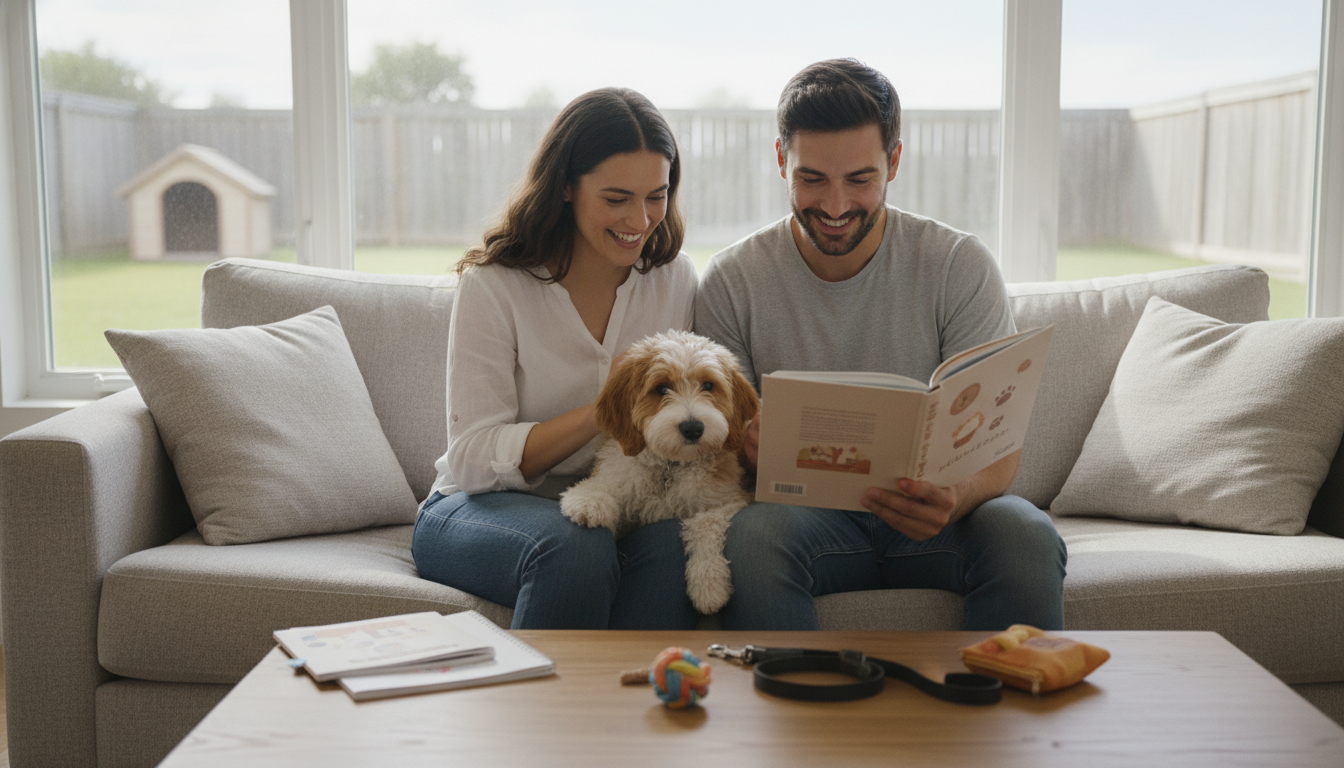
Bringing a dog into your life is a long-term commitment that affects your schedule, budget, home, and relationships. The goal isn’t a “perfect” setup—it’s a realistic plan that keeps the dog safe, cared for, and emotionally secure. Use the checks below to pressure-test your readiness around time, finances, space, support systems, and expectations so the decision feels confident and fair to everyone in the household.
Daily care is non-negotiable. Every dog needs reliable potty breaks, meals, fresh water, exercise, mental enrichment, and basic grooming. Even low-key dogs still require attention every single day, including days you’re tired, busy, or under the weather.
Training is a lifestyle, not a weekend task. House-training, leash manners, alone-time practice, and impulse control happen through repetition and consistency—tiny sessions done often. It’s less about “teaching tricks” and more about building habits the dog can succeed with in your real environment.
Life stage changes the workload. Puppies require frequent potty trips, constant supervision, and structured socialization. Adult dogs still need routine and continued training. Senior dogs may need gentler exercise, more frequent vet visits, and medication schedules.
If your schedule changes often, create predictable care blocks now (morning, midday, evening) and identify a backup caregiver before adopting. A plan on paper is kinder than scrambling after the dog is already home.
Before you fall in love with a face online, answer these with zero guilt and maximum honesty:
| Area | Ready if… | Needs work if… |
|---|---|---|
| Daily time | At least 1–2 hours/day for walks, play, training, care | Most days are too busy for consistent exercise and training |
| Budget | Room for vet care plus emergencies without crisis | Basic care would strain finances or there is no emergency cushion |
| Housing | Pets allowed; safe space for rest; manageable noise rules | Restrictions, unsafe environment, or frequent moves expected |
| Support | Backup care exists for sickness, long days, and trips | No one to help and no plan for unexpected disruptions |
| Patience | Willing to train kindly and consistently for months | Expecting instant obedience or “perfect behavior” |
Dogs are affordable day-to-day for some households, but expensive when life happens. Start by pricing routine needs: quality food, treats, collar/leash/harness, grooming supplies, and preventive veterinary care like vaccines and parasite prevention. Most dogs will also need periodic expenses such as annual exams, licensing, training classes, breed-dependent grooming appointments, and replacing worn gear.
Then plan for the “unexpected” category: illness or injury, dental procedures, emergency clinic visits, and a few damaged household items during training phases. Pet insurance can help smooth out big surprise bills, and a dedicated savings fund can reduce decision stress when urgent care is needed. For baseline care guidance, the American Veterinary Medical Association (AVMA) dog care resources are a strong starting point.
Focus on function over square footage. A small home can work beautifully with a solid routine and thoughtful setup, while a larger home can still be chaotic without boundaries and enrichment.
If you want a broad checklist of everyday needs and safety considerations, the ASPCA’s dog care guidance is a reliable reference.
If you’re unsure, fostering first (or arranging a trial period where possible) can reveal the everyday fit without rushing a permanent commitment. For training fundamentals you’ll use right away, the AKC’s training basics provide clear, practical starting points.
Most adult dogs need at least 1–2 hours a day for walks, play, training, enrichment, and basic care, plus several potty breaks. Puppies typically need more total attention spread across the day, including frequent short potty trips and multiple mini training sessions.
Plan for support such as a midday dog walker, dog daycare a few days per week, or reliable help from a trusted friend or sitter. Choosing an adult or lower-energy dog, using enrichment at home, and building gradual alone-time training can make long workdays more manageable.
Adult dogs are often more predictable in size and energy and may already have some life skills, which can be easier for beginners. Puppies can be rewarding but require heavy supervision, frequent potty breaks, and consistent training for months.













Leave a comment