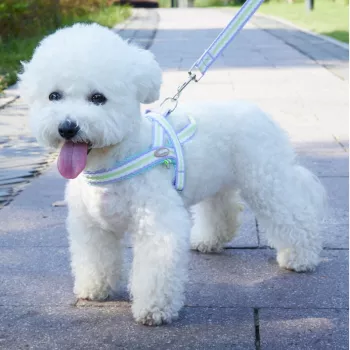
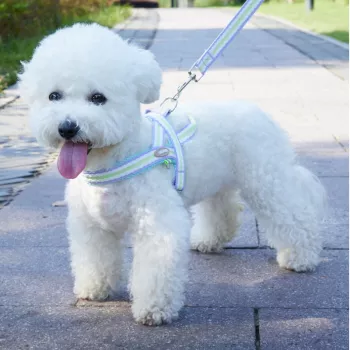
A secure harness should reduce pulling without choking, stay put on clever escape artists, and keep dogs visible when light fades. This adjustable reflective vest-style harness and leash set is designed for everyday walks, quick potty breaks, and training sessions where comfort and control matter. For more guidance, see Best Dog Harnesses of 2026 (Reviewed by a Dog Trainer).
Many “escape” moments aren’t about bad gear—they’re about leverage. When a dog backs up, twists, or pulls sideways, loose straps and narrow contact points can slide toward the head. A more secure setup focuses on coverage, fit, and where force is directed. For further reading, see Reflective Dog Harness Cute Step In Dog Harness And Leash ….
Collars can be fine for some dogs, but for pullers and lungers, harness-based control can reduce strain on the trachea and keep pressure off the throat. That’s especially helpful while teaching loose-leash walking.
For additional loose-leash guidance, the American Kennel Club’s loose-leash walking tips are a helpful reference for timing, rewards, and consistency.
A harness can’t do its job if it doesn’t fit. Before buying, measure the dog’s girth (widest part of the ribcage) and the lower neck (base of the neck). Choose a size that gives adjustment room in both areas so you can dial in a snug, comfortable fit.
| Check | What to look for | Fix if needed |
|---|---|---|
| Neck area | Sits at the base of the neck, not creeping up toward the throat | Tighten neck adjustment or choose a better size |
| Chest panel | Centered on the breastbone, not twisting to one side | Rebalance straps; ensure even tension left/right |
| Elbow clearance | No rubbing behind the front legs during walking | Loosen chest strap slightly or reposition harness |
| Slip test | Dog cannot reverse out when backing up | Tighten neck/chest; confirm correct size |
| Reflective visibility | Reflective areas visible from sides and front in low light | Add a light-up tag or LED collar for extra visibility |
Reflective accents can make a big difference when headlights hit the material, helping drivers and cyclists spot your dog sooner. Still, reflective gear works best as part of a simple nighttime routine.
For general walking safety and routine-building, the ASPCA’s guide to walking your dog offers practical reminders on pace, conditions, and handling.
For a broader view of balancing safe activity with your dog’s needs, the AVMA’s overview of exercise needs is a useful baseline.
Shop here: No-Pull Escape-Proof Dog Harness & Leash Set – Adjustable Reflective Vest
If muddy walks are part of your routine, keeping gear and floors clean helps reduce residue that can dull reflective areas and irritate sensitive paws. See: Sparkling Clean & Pet-Safe: The Ultimate Checklist for Choosing Cleaning Products.
Use the two-finger rule under the straps: snug enough that your dog can’t back out, but loose enough for full shoulder movement and normal breathing. Re-check the fit after a short walk, since straps can settle as your dog moves.
It can reduce leverage and make pulling less rewarding, but it won’t replace training. Reward loose-leash walking, stop when pulling starts, and practice first in low-distraction areas.
Reflective material helps when light hits it, but it’s best paired with an active light like a clip-on LED. Choose well-lit routes and keep the leash shorter near traffic for better control.









Leave a comment