
Cold weather can turn even confident cats into heat-seeking snugglers. A few simple tweaks—warmer resting spots, safer heating habits, and small routine changes—can help cats stay comfortable through chilly nights, dry indoor air, and drafty rooms. The goal isn’t to crank up the heat; it’s to create predictable, cat-friendly “warm wins” throughout the home so your cat can choose comfort without risk.
Most indoor cats don’t face harsh outdoor windchill, but they still feel winter in subtler ways: drafts slipping under doors, cold tile or basement floors, and fewer sunny hours warming up favorite window spots. Some cats also chill faster—kittens, seniors, thin or short-haired cats, and cats managing chronic conditions often benefit from extra warmth and a little more observation.
If your cat goes outside, keep winter outings shorter and more intentional. Supervised, limited time outdoors followed by a consistent “back inside” routine helps: gently dry paws, check the coat for dampness, and guide your cat to a warm resting place with fresh water nearby. Common behavior clues that your cat is seeking warmth include extra lap-sitting, camping near vents, curling tighter than usual, reluctance to leave a warm bed, or choosing higher shelves away from cold floors.
| Situation | What you might notice | Helpful adjustment |
|---|---|---|
| Drafty windows or doors | Cat sleeps in hallways or avoids certain rooms | Add draft blockers, move bed away from windows, provide a covered cat cave |
| Cold floors (tile, basement) | Cat stays on furniture or rugs | Place thick mats/rugs, raise beds off the floor, add a fleece layer |
| Dry heated air | Static-y coat, dandruff, more scratching | Use a humidifier, brush gently, offer more water options |
| Outdoor excursions | Cold ears/paws, quick turnaround | Limit time out, provide warm towel on return, check paw pads for irritation |
| Nighttime temperature drop | Extra clinginess or vocalizing at night | Create a “night nest” (blanket + cave), consider a low-watt pet-safe warming pad |
A dedicated warm spot gives your cat a reliable place to settle, especially when the house cools down at night. Choose a quiet, low-traffic corner away from direct drafts and at least a few feet from fireplaces, radiators, and space heaters.
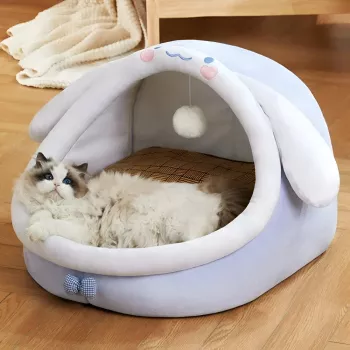
Build the zone in layers. Start with an insulating base (fleece, foam, or a thick folded towel), add a washable blanket on top, and include a snug “cover” option like a cat cave or covered bed to help retain body heat. If your floors run cold, elevating the bed even a few inches on a sturdy platform or low shelf can reduce heat loss and make the spot noticeably cozier.
Sun helps, too. A window perch can be a winter favorite, but make sure it isn’t directly in a draft path. If you notice your cat abandoning the perch on windy days, shift it slightly inward or add a covered option nearby. Rotate bedding weekly and keep a spare set on hand so your cat zone stays clean, dry, and inviting.
Warmth is comforting, but safety matters more than ever when cords, heating elements, and curious teeth share the same space. Use only pet-safe warming products or low-watt options designed to avoid hot spots. DIY heating (like hot water bottles) can work only if carefully wrapped, never too hot, and monitored—cats can’t always move away quickly if heat builds under them.
For cold-weather household basics and safer routines when windows stay closed, the checklist Sparkling Clean & Pet-Safe: The Ultimate Checklist for Choosing Cleaning Products can help you review what’s safe to use around favorite lounging areas.
For cats who seem stiff or less eager to jump when it’s cold, keep an eye on mobility. The guide Paws & Joints: Your Fun Checklist to Spot Early Signs of Joint Pain in Pets can help you spot patterns worth discussing with a veterinarian.
If you want a structured, room-by-room plan to fine-tune winter comfort, Cozy Cats This Winter: The Ultimate Guide for Keeping Your Feline Friends Warm & Happy All Season Long is a handy reference for setting up safer warm zones and seasonal routines.
If you find a cat outdoors in extreme cold, warm them gradually (blanket, warm room) and avoid intense direct heat. Seek veterinary guidance if there are signs of hypothermia or frostbite. Authoritative cold-weather safety tips are available from the American Veterinary Medical Association (AVMA), the ASPCA, and Cornell’s guidance on feline health concerns through the Cornell Feline Health Center.
Yes—drafts, cold floors, and nighttime temperature drops can make indoor cats uncomfortable. Layered bedding, moving beds away from windows and doors, and adding a covered “cat cave” can make a noticeable difference.
It can be safe when you use a pet-specific warming pad on an appropriate setting and protect cords from chewing. Make sure your cat can easily move off the warm surface and follow the manufacturer’s supervision guidance.
Dry air can contribute to dandruff, static, and increased scratching, and it may reduce overall comfort. A humidifier, gentle brushing, and extra water options often help; contact a veterinarian if skin irritation persists or worsens.












Leave a comment